
Becoming a parent is a joyful, life-changing experience and with it comes the responsibility of creating a safe environment for your child to grow and thrive. Each year, unintentional injuries remain a leading cause of harm in young children. Fortunately, many of these incidents are preventable through proactive safety education and planning. For new parents, learning how to protect your child starts before you bring them home and it’s a lifelong process. Here are key areas every new parent should focus on:
- Learn Infant and Child CPR: Emergencies can happen in an instant. Knowing how to perform infant and child CPR can save a life while you wait for emergency responders to arrive.
-
-
- The American Heart Association and local hospitals offer CPR classes designed specifically for parents and caregivers.
- Look for courses that also cover choking relief techniques for infants and children.
- Practice regularly to keep your skills sharp.
-
- Prevent Furniture Tip-Overs: Children love to explore and climb. According to the Consumer Product Safety Commission, a child dies every two weeks in the U.S. from a furniture or TV tip-over incident. Unfortunately, unsecured furniture can become a major hazard:
-
-
- Use anchoring kits to secure dressers, TVs, and bookshelves to the wall.
- Place heavy items low on shelves to reduce tipping risk.
- Always supervise toddlers around furniture.
-
- Childproof Electrical Outlets: Curious little fingers can easily find unprotected electrical outlets.
-
-
- Install outlet covers or tamper-resistant receptacles.
- Keep cords out of reach and never run them under rugs.
- Monitor areas where portable chargers are in use.
-
- Practice Water Safety: Drowning is a leading cause of death for children ages 1–4. Every parent should be aware of water hazards both inside and outside the home:
-
-
- Never leave a child unattended around bathtubs, pools, buckets, toilets, or even pet water bowls.
- Empty all containers with water after use.
- Enroll your child in age-appropriate swim lessons.
- Install proper fencing around pools and use self-latching gates.
-
- Broaden Your Childproofing Awareness: Other important steps include:
-
-
- Installing safety gates at stairways.
- Using cabinet locks to keep cleaning supplies, medications, and sharp objects out of reach.
- Checking for choking hazards — small toys, coins, and batteries should be kept well away from young children.
- Ensuring window blind cords are out of reach to prevent strangulation.
-
- Keep Learning: Safety education should be an ongoing journey:
-
-
- Attend classes at your local hospital, childcare center, or community group.
- Ask your pediatrician for childproofing recommendations.
- Stay updated with trusted online resources and safety recalls.
-
The transition into parenthood comes with many joyful firsts and a few new worries. By taking the time to educate yourself about infant and child safety, you give your child the best chance to explore the world securely. Investing in CPR training, home-proofing, and water safety practices builds both your confidence as a parent and your child’s safety net. 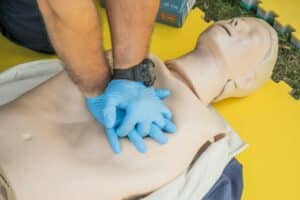
Remember: safe kids are happy kids and empowered parents make all the difference.